Renewable Energy Tech: Innovations in Solar, Wind, and Hydro Power

Introduction

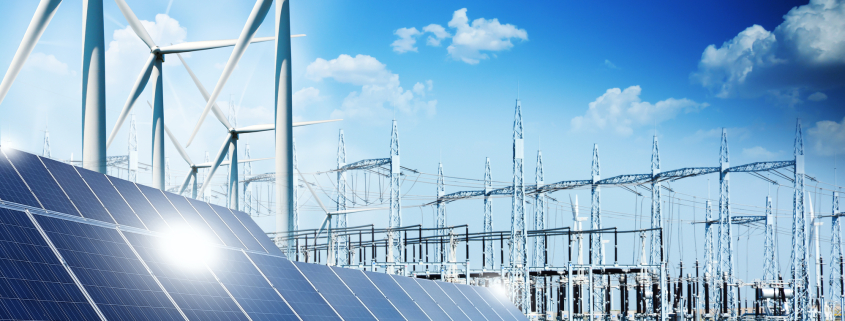
As the global need for sustainable energy solutions intensifies, renewable energy technologies have emerged as crucial players in addressing climate change and advancing towards a cleaner future. Among these, solar, wind, and hydro power have taken center stage, propelled by remarkable innovations that enhance efficiency, scalability, and accessibility. This article delves into the cutting-edge advancements in these three renewable energy sources, shedding light on the transformative impact they are making on the world’s energy landscape.

Solar Power Innovations

Solar power has evolved from a niche technology to a mainstream energy source, driven by innovations in both photovoltaic (PV) systems and concentrated solar power (CSP) technologies.

  1. Perovskite Solar Cells: Perovskite solar cells are emerging as a game-changer in PV technology. These cells exhibit high efficiency, low cost, and easy manufacturability, offering the potential to revolutionize solar energy production.
  2. Bifacial Solar Panels: Bifacial panels capture sunlight from both sides, increasing energy generation by utilizing reflected sunlight from surrounding surfaces. This innovation enhances efficiency and reduces the land footprint of solar installations.
  3. Solar Tracking Systems: Solar tracking systems follow the sun’s movement, optimizing energy capture throughout the day. Single-axis and dual-axis trackers improve energy yield by keeping panels oriented towards the sun.

Wind Power Innovations

Wind power continues to grow as a major player in the renewable energy landscape, driven by advancements in turbine design and offshore wind installations.

  1. Turbine Size and Efficiency: Turbine designs are evolving towards larger sizes with higher energy outputs. Longer blades and improved aerodynamics contribute to increased efficiency and energy production.
  2. Floating Wind Farms: Floating wind farms harness the power of wind in deep offshore waters, expanding the potential for wind energy generation in regions where traditional fixed-bottom turbines are not feasible.
  3. Turbine Placement and Array Optimization: Advanced modeling and simulations optimize the placement and arrangement of wind turbines in wind farms, maximizing energy output and reducing wake effects.

Hydro Power Innovations

Hydro power, a well-established renewable energy source, is also experiencing innovation through improvements in small-scale hydropower and energy storage.

  1. Small-Scale Hydro Innovations: Innovative designs for small-scale hydropower systems, such as micro-hydro and run-of-the-river systems, make use of natural water flows to generate electricity without the need for large dams.
  2. Pumped Hydro Storage: Pumped hydro storage involves using excess energy to pump water uphill during times of low demand. When demand peaks, the water is released downhill through turbines to generate electricity.
  3. Tidal and Wave Energy: Technologies harnessing the power of tides and waves offer consistent and predictable energy sources. Tidal stream and wave energy converters are being developed to harness the kinetic energy of ocean currents and waves.

Conclusion

The renewable energy sector is undergoing a remarkable transformation fueled by innovations in solar, wind, and hydro power technologies. These innovations are not only increasing the efficiency and scalability of these energy sources but also reducing their environmental impact and making them more accessible to a broader range of regions and communities. As these technologies continue to advance, they play a pivotal role in transitioning our energy systems towards a more sustainable, clean, and resilient future.


The Role of Tech in Climate Change Mitigation and Environmental Monitoring

Introduction

Climate change remains one of the most pressing challenges of our time, with its far-reaching consequences affecting ecosystems, economies, and societies. However, technology is emerging as a powerful ally in the fight against climate change. From innovative solutions that mitigate environmental impacts to advanced monitoring systems that track changes in real-time, technology is playing a pivotal role in shaping a sustainable future. This article delves into the critical role of technology in climate change mitigation and environmental monitoring.

Mitigating Climate Change Through Innovation

In recent years, technological advancements have led to a surge in solutions aimed at reducing carbon emissions, conserving resources, and transitioning to renewable energy sources:

  1. Renewable Energy Technologies: Solar, wind, and hydro power have become increasingly efficient and affordable, offering clean alternatives to fossil fuels and reducing greenhouse gas emissions.
  2. Energy Efficiency Solutions: Smart grids, energy-efficient appliances, and IoT-based monitoring systems enable better management and conservation of energy resources.
  3. Electric Vehicles (EVs): EVs are revolutionizing transportation by eliminating tailpipe emissions and reducing reliance on fossil fuels.
  4. Carbon Capture and Storage (CCS): CCS technologies capture carbon dioxide emissions from industrial processes and power plants, preventing them from entering the atmosphere.
  5. Sustainable Agriculture Practices: Precision agriculture, using IoT and satellite data, optimizes resource use, minimizes waste, and reduces the carbon footprint of farming.

Environmental Monitoring for Informed Action

Accurate monitoring of environmental changes is crucial for informed decision-making and effective climate change mitigation. Technology is revolutionizing environmental monitoring by providing real-time data, predictive analytics, and remote sensing capabilities:

  1. Satellite Technology: Satellites equipped with advanced sensors monitor changes in land use, deforestation, ice melt, sea levels, and atmospheric conditions on a global scale.
  2. IoT and Sensors: Internet of Things (IoT) devices and sensors collect data on air quality, water pollution, and biodiversity, enabling timely responses to environmental threats.
  3. Machine Learning and AI: Machine learning algorithms analyze vast datasets to identify patterns, model climate change impacts, and predict future scenarios.
  4. Remote Sensing: Remote sensing technologies like LiDAR and radar provide accurate data on changes in terrain, vegetation, and coastal erosion.
  5. Early Warning Systems: Tech-driven early warning systems alert communities to impending natural disasters like hurricanes, floods, and wildfires, helping save lives and reduce damages.

Challenges and Future Prospects

While technology offers promising solutions, challenges remain:

  1. Accessibility: Ensuring equitable access to technology and information is crucial to address environmental disparities.
  2. Data Privacy and Security: Protecting sensitive environmental data from breaches and misuse is essential.
  3. Scalability: Many innovative solutions need to be scaled up to have a substantial impact on a global scale.
  4. Technological Gaps: Bridging the technological divide among nations is essential to promote collaborative climate action.

Conclusion: A Tech-Powered Path Forward

As the world grapples with the urgent need for climate action, technology emerges as a beacon of hope. Its transformative potential in mitigating climate change and monitoring environmental shifts is undeniable. By harnessing innovation, leveraging data-driven insights, and fostering international cooperation, we can usher in a future where technology works hand-in-hand with nature, leading us toward a more sustainable and resilient planet. As we continue to innovate, invest, and collaborate, technology’s role in shaping a greener world becomes increasingly pivotal.

Embracing Dark Mode: An Energy-Efficient Choice to Save Power

Introduction

As technology continues to play an integral role in our daily lives, finding ways to reduce power consumption and increase energy efficiency has become paramount. One simple and effective method to achieve this goal is by embracing dark mode. Dark mode, also known as dark theme or night mode, is a display setting that replaces the traditional light background with a darker color palette. In this article, we will explore how using dark mode can save power and contribute to a more sustainable digital experience.


Understanding Power Consumption

Power consumption in electronic devices, particularly those with displays, is primarily determined by the amount of light emitted by the screen. Traditional light mode or white backgrounds require more energy to display brightly lit pixels, as they rely on the backlight of the device. Conversely, dark mode utilizes fewer resources, as it emits less light and reduces the strain on the display and associated hardware.


The Impact of Dark Mode on Battery Life

One of the most significant advantages of dark mode is its positive impact on battery life, especially on devices with OLED or AMOLED screens. These screen technologies utilize organic compounds that emit light when an electric current passes through them. In dark mode, fewer pixels are illuminated, resulting in reduced power consumption. Studies have shown that using dark mode can extend battery life by up to 30% on devices with OLED displays, such as smartphones or laptops.


Energy Efficiency on Different Devices

Dark mode not only benefits smartphones and laptops but also extends its energy-saving advantages to other devices with screens:


  1. Smartphones: Given the widespread use of smartphones, adopting dark mode can have a substantial impact on energy efficiency. By reducing the power needed to illuminate pixels, dark mode allows you to use your device for longer periods without draining the battery quickly.


  1. Laptops and Desktops: Many operating systems and applications now offer dark mode options. By switching to dark mode on your laptop or desktop, you can significantly reduce the energy consumption of your screen, leading to potential power savings over time.


  1. E-readers and Tablets: Devices specifically designed for reading, such as e-readers and tablets, greatly benefit from dark mode. By displaying text and graphics on a dark background, these devices can save power and enhance the reading experience, particularly in low-light environments.


  1. Smart TVs and Monitors: Dark mode is increasingly being integrated into smart TVs and computer monitors. By enabling dark mode on these larger screens, you can reduce energy consumption and enjoy a more comfortable viewing experience, especially in dimly lit rooms.


The Environmental Impact

Embracing dark mode not only benefits individuals by prolonging battery life but also contributes to a more sustainable future. By reducing power consumption, we lower the demand on energy resources and decrease greenhouse gas emissions associated with electricity generation. This small change in our digital habits can collectively make a substantial environmental impact.


Conclusion

In an era where energy efficiency is crucial, adopting dark mode is a simple and effective way to save power and extend battery life on our devices. By reducing the brightness and illumination of pixels, dark mode significantly lowers energy consumption, particularly on devices with OLED screens. Embracing dark mode not only enhances the user experience in low-light conditions but also plays a part in conserving energy resources and reducing environmental impact. So, let’s embrace the dark side and make a positive difference by using dark mode to save power and promote sustainability in our digital lives.

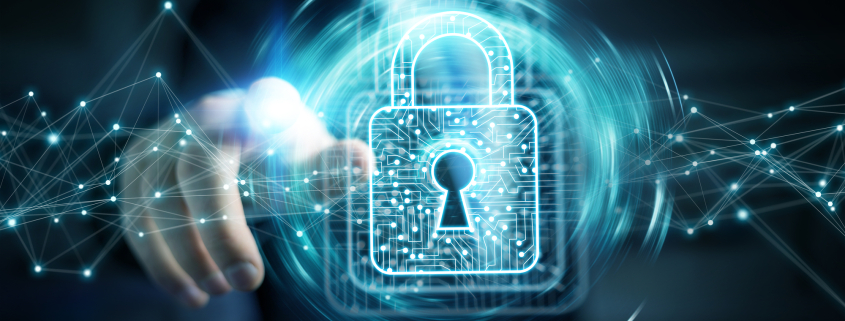
The Future of Computer Security

The world of computer security is constantly evolving. As new technologies emerge, so too do new threats. In the future, computer security will need to be more proactive than ever before.

Here are some of the key trends that will shape the future of computer security:

  • The rise of artificial intelligence (AI). AI is already being used to improve computer security, and its use is only going to increase in the future. AI can be used to automate tasks, detect threats, and respond to incidents more quickly.
  • The growth of the Internet of Things (IoT). The IoT is connecting billions of devices to the internet, and this creates a new security challenge. These devices are often not as secure as traditional computers, and they can be easily hacked.
  • The increasing sophistication of cyber attacks. Cyber attackers are becoming more sophisticated, and they are using increasingly complex techniques to attack computer systems. This means that computer security solutions will need to be more sophisticated as well.

In order to meet these challenges, the future of computer security will need to focus on the following:

  • Prevention. The best way to protect against cyber attacks is to prevent them from happening in the first place. This can be done by implementing security measures such as firewalls, intrusion detection systems, and data encryption.
  • Detection. Even the best prevention measures can be bypassed, so it is important to have systems in place to detect and respond to cyber attacks. This includes having a team of security professionals who are constantly monitoring for threats.
  • Response. When a cyber attack does occur, it is important to have a plan for responding. This plan should include steps to contain the damage, investigate the attack, and recover from the incident.

The future of computer security is a complex and challenging one. However, by focusing on prevention, detection, and response, organizations can protect themselves from the ever-evolving threat of cyber attacks.

Here are some additional thoughts on the future of computer security:

  • The importance of education. As the world becomes more digital, it is more important than ever for people to be educated about computer security. This includes understanding the risks, knowing how to protect themselves, and reporting suspicious activity.
  • The need for cooperation. Cyber attacks are a global problem, and no one organization can solve them alone. It is important for organizations to cooperate with each other and share information in order to stay ahead of the attackers.
  • The promise of new technologies. New technologies such as AI and blockchain have the potential to revolutionize computer security. However, it is important to use these technologies wisely and to ensure that they are secure themselves.

The future of computer security is uncertain, but it is clear that the threats are real and growing. By taking steps to prevent, detect, and respond to cyber attacks, organizations can protect themselves and their data.

How Tech is Changing the World

Technology is constantly evolving, and it is having a profound impact on the world. From the way we communicate to the way we work, technology is changing the way we live our lives.

Here are some of the ways that tech is changing the world:

  • Communication: Technology has made it easier and faster than ever to communicate with people around the world. We can now send messages, emails, and video calls with just a few clicks of a button. This has made it possible to stay in touch with friends and family who live far away, and it has also made it easier to do business with people all over the world.
  • Work: Technology is changing the way we work. More and more people are working remotely, and they are using technology to collaborate with colleagues who are located all over the world. This has made it possible for people to have more flexibility in their work, and it has also made it possible for companies to hire the best talent from anywhere in the world.
  • Education: Technology is changing the way we learn. Students can now access educational resources online, and they can also connect with teachers and classmates from all over the world. This has made it possible for students to learn at their own pace, and it has also made it possible for them to get a quality education regardless of their location.
  • Healthcare: Technology is changing the way we get healthcare. Patients can now use telemedicine to see doctors from the comfort of their own homes, and they can also use wearable devices to track their health data. This has made it possible for people to get the care they need more quickly and easily, and it has also made it possible for people to take a more active role in their own healthcare.
  • Transportation: Technology is changing the way we travel. We can now use ride-sharing apps to get around, and we can also use self-driving cars to get to our destinations. This has made it easier and more convenient to travel, and it has also made it possible for people to save money on transportation costs.

These are just a few of the ways that tech is changing the world. Technology is constantly evolving, and it is impossible to predict what the future holds. However, one thing is for sure: tech is here to stay, and it will continue to have a profound impact on the way we live our lives.

Here are some additional thoughts on how tech is changing the world:

  • The benefits of tech. Technology has many benefits, including:
    • Increased communication and connectivity
    • Improved productivity and efficiency
    • New educational and learning opportunities
    • Better healthcare and medical care
    • More convenient and efficient transportation
  • The drawbacks of tech. Tech also has some drawbacks, including:
    • Increased isolation and loneliness
    • Addiction to technology
    • Cyberbullying and online harassment
    • Data breaches and privacy concerns
    • The spread of misinformation and disinformation

The future of tech is uncertain, but it is clear that it will continue to play a major role in our lives. It is important to be aware of both the benefits and drawbacks of tech, and to use it in a responsible way.

Tempted to test new features before everyone else? DON’T BE!

Ever been tempted to download the beta version of your favorite app, ready to test out all the cool new features before everyone else?

STOP!!

The FBI has some news that might just make you think twice.

Cyber criminals have come up with a brand new trick to lure us into their lair. They’re hiding malicious code in fake beta versions of popular apps, turning unsuspecting people’s mobiles into their personal piggy banks.

Now, don’t get us wrong, we love innovation as much as the next team of tech enthusiasts. But whilst beta versions have a certain allure, they haven’t gone through the rigorous security checks that apps in the official app stores must pass.

Criminals send fake emails pretending to be the developers of popular apps, offering early access to new beta versions.

But of course they’re fake too. Once installed, they can do all sorts of bad things, including accessing data from your finance apps and even taking over your mobile

If your staff download them onto company devices, could your business be compromised?

There’s a moral to our story. And it’s a simple one: Patience is a virtue.

Hold off on downloading beta versions of apps. Wait until they’re stable and officially released in app stores. Good things come to those who wait, and that includes secure apps.

If you have downloaded beta versions in the past, keep an eye out for red flags like faster battery drain, poor performance, persistent pop-up ads, and apps asking for unnecessary permissions.

In this digital age, we must be as smart and savvy as the technology we use. So, before you hit download, take a moment to think: is this app worth the risk?

Train your staff to think the same way. And if you do give them business mobiles, consider a Mobile Device Management solution to control what they can do with them.

We can help keep all your devices better protected. Get in touch.

How Technology is Changing Our Lives

Technology is constantly evolving, and it is having a profound impact on our lives. From the way we communicate to the way we work, technology is changing the way we live our lives.

Here are some of the ways that tech is changing our lives:

  • Communication: Technology has made it easier and faster than ever to communicate with people around the world. We can now send messages, emails, and video calls with just a few clicks of a button. This has made it possible to stay in touch with friends and family who live far away, and it has also made it easier to do business with people all over the world.
  • Work: Technology is changing the way we work. More and more people are working remotely, and they are using technology to collaborate with colleagues who are located all over the world. This has made it possible for people to have more flexibility in their work, and it has also made it possible for companies to hire the best talent from anywhere in the world.
  • Education: Technology is changing the way we learn. Students can now access educational resources online, and they can also connect with teachers and classmates from all over the world. This has made it possible for students to learn at their own pace, and it has also made it possible for them to get a quality education regardless of their location.
  • Healthcare: Technology is changing the way we get healthcare. Patients can now use telemedicine to see doctors from the comfort of their own homes, and they can also use wearable devices to track their health data. This has made it possible for people to get the care they need more quickly and easily, and it has also made it possible for people to take a more active role in their own healthcare.
  • Transportation: Technology is changing the way we travel. We can now use ride-sharing apps to get around, and we can also use self-driving cars to get to our destinations. This has made it easier and more convenient to travel, and it has also made it possible for people to save money on transportation costs.

These are just a few of the ways that tech is changing our lives. Technology is constantly evolving, and it is impossible to predict what the future holds. However, one thing is for sure: tech is here to stay, and it will continue to have a profound impact on the way we live our lives.

Here are some additional thoughts on how tech is changing our lives:

  • The benefits of tech. Technology has many benefits, including:
    • Increased communication and connectivity
    • Improved productivity and efficiency
    • New educational and learning opportunities
    • Better healthcare and medical care
    • More convenient and efficient transportation
  • The drawbacks of tech. Tech also has some drawbacks, including:
    • Increased isolation and loneliness
    • Addiction to technology
    • Cyberbullying and online harassment
    • Data breaches and privacy concerns
    • The spread of misinformation and disinformation

The future of tech is uncertain, but it is clear that it will continue to play a major role in our lives. It is important to be aware of both the benefits and drawbacks of tech, and to use it in a responsible way.

How to use technology in a responsible way:

There are many ways to use technology in a responsible way. Here are a few tips:

  • Be mindful of your screen time. It is important to set limits on how much time you spend using screens. Too much screen time can lead to isolation, loneliness, and even addiction.
  • Use technology for social connection. Technology can be a great way to stay connected with friends and family. Use it to make calls, send messages, and video chat.
  • Use technology for learning and education. There are many educational resources available online. Use technology to learn new things and expand your knowledge.
  • Use technology for productivity. Technology can help you be more productive at work and at home. Use it to create to-do lists, manage your time, and stay organized.
  • Be aware of the risks. There are some risks associated with using technology. Be aware of these risks and take steps to protect yourself. For example, be careful about what information you share online, and use strong passwords to protect your accounts.

Technology is a powerful tool. It can be used for good or for bad. It is important to use it in a responsible way and to be aware of the risks.

How Technology Has Changed the Way We Shop

Technology has had a profound impact on the way we shop. In the past, we would have to go to a physical store to buy something. But now, we can shop online from the comfort of our own homes. We can also use technology to compare prices, read reviews, and find the best deals.

Here are some of the ways that technology has changed the way we shop:

  • Online shopping: Online shopping has become increasingly popular in recent years. This is because it is convenient, easy, and often cheaper than shopping in a physical store.
  • Mobile shopping: Mobile shopping is another trend that has changed the way we shop. We can now use our smartphones and tablets to shop online, even when we are not at home.
  • Social media shopping: Social media has also become a popular way to shop. We can follow brands and retailers on social media to see their latest products and deals. We can also shop directly from social media platforms, such as Instagram and Pinterest.
  • Chatbots: Chatbots are another way that technology is changing the way we shop. Chatbots are computer programs that can simulate conversation with humans. We can use chatbots to ask questions about products, make purchases, and get customer service.
  • Virtual reality (VR) and augmented reality (AR): VR and AR are still in their early stages, but they have the potential to revolutionize the way we shop. VR allows us to experience products in a virtual environment, while AR allows us to overlay digital information on the real world. This could make it easier for us to visualize products and make informed purchases.

These are just a few of the ways that technology has changed the way we shop. As technology continues to evolve, we can expect to see even more changes to the way we shop in the future.

Here are some additional benefits of using technology to shop:

  • Convenience: We can shop from anywhere, at any time.
  • Comparison shopping: We can easily compare prices and find the best deals.
  • Personalization: We can get recommendations based on our past purchases and browsing history.
  • Customer service: We can get help from customer service representatives 24/7.

Overall, technology has made shopping easier, more convenient, and more personalized. As technology continues to evolve, we can expect to see even more changes to the way we shop in the future.

High Speed Internet: How it has changed our lives

High-speed internet has had a profound impact on our lives. It has changed the way we communicate, the way we work, and the way we entertain ourselves.

How has high speed internet changed the way we communicate?

In the past, we communicated with each other through letters, phone calls, and face-to-face interaction. Today, we can communicate with anyone in the world instantly through email, text messaging, and video chat. High-speed internet has made it possible for us to stay in touch with friends and family who live far away, and it has also made it easier to connect with new people.

How has high speed internet changed the way we work?

In the past, we had to go to an office to work. Today, we can work from anywhere in the world as long as we have a computer and an internet connection. High-speed internet has made it possible for us to be more flexible with our work schedules, and it has also made it easier for us to collaborate with people from different parts of the world.

How has high speed internet changed the way we entertain ourselves?

In the past, we had to watch TV or go to the movies to be entertained. Today, we can watch movies and TV shows, listen to music, and play games online. High-speed internet has made it possible for us to have access to a vast amount of entertainment content, and it has also made it easier for us to share our own creative content with the world.

Overall, high-speed internet has had a positive impact on our lives. It has made us more connected, more productive, and more entertained. As the technology continues to evolve, we can expect to see even more ways that high-speed internet can improve our lives.

Here are some of the benefits of high speed internet:

  • Faster speeds: High-speed internet allows us to download files, stream videos, and play games much faster than with traditional internet connections.
  • Greater reliability: High-speed internet is more reliable than traditional internet connections, which means that we are less likely to experience outages or slow speeds.
  • More flexibility: High-speed internet allows us to work, learn, and entertain ourselves from anywhere in the world.
  • More convenience: High-speed internet makes it easy to stay connected with friends and family, and it also gives us access to a vast amount of information and entertainment content.

The future of high speed internet looks bright. As the technology continues to evolve, we can expect to see even faster speeds, greater reliability, and more flexibility. This will make it possible for us to do even more with high-speed internet, and it will continue to change the way we live our lives.

The Future of Tech Jobs

The tech industry is constantly evolving, and this is reflected in the types of jobs that are available. In the past, tech jobs were mostly focused on software development and engineering. However, as technology has become more pervasive, the range of tech jobs has expanded to include a wide variety of roles.

Here are some of the most in-demand tech jobs of the future:

  • Data scientists: Data scientists are responsible for collecting, cleaning, and analyzing data. They use this data to make predictions, identify trends, and solve problems.
  • Machine learning engineers: Machine learning engineers are responsible for developing and deploying machine learning models. These models are used to automate tasks, make predictions, and improve decision-making.
  • Cybersecurity analysts: Cybersecurity analysts are responsible for protecting computer systems and networks from cyberattacks. They use their skills to identify and mitigate security threats.
  • UX/UI designers: UX/UI designers are responsible for the user experience and user interface of software products. They use their skills to create products that are easy to use and visually appealing.
  • Product managers: Product managers are responsible for the success of a product. They work with engineers, designers, and other stakeholders to define the product vision, develop the product roadmap, and launch the product.

These are just a few of the many tech jobs that are in demand. As technology continues to evolve, new tech jobs will be created. It is important to be aware of the latest trends in technology in order to stay ahead of the curve and find the right tech job for you.

Here are some additional thoughts on the future of tech jobs:

  • The rise of remote work: The tech industry is a leader in remote work. Many tech companies allow their employees to work remotely, and this trend is likely to continue in the future. This means that tech workers will have more flexibility and freedom in their work.
  • The need for diversity and inclusion: The tech industry is still predominantly white and male. However, there is a growing awareness of the need for diversity and inclusion in the tech industry. This means that tech companies will need to make a concerted effort to hire and promote people from underrepresented groups.
  • The focus on ethics: As technology becomes more powerful, there is a growing focus on the ethical implications of tech. Tech companies will need to be mindful of the ethical implications of their products and services.

The future of tech jobs is bright. There are many opportunities for tech workers in the years to come. However, it is important to be prepared for the changes that are happening in the tech industry. By staying up-to-date on the latest trends and by developing the right skills, you can set yourself up for success in the future of tech.