
The Role of Tech in Climate Change Mitigation and Environmental Monitoring
Introduction
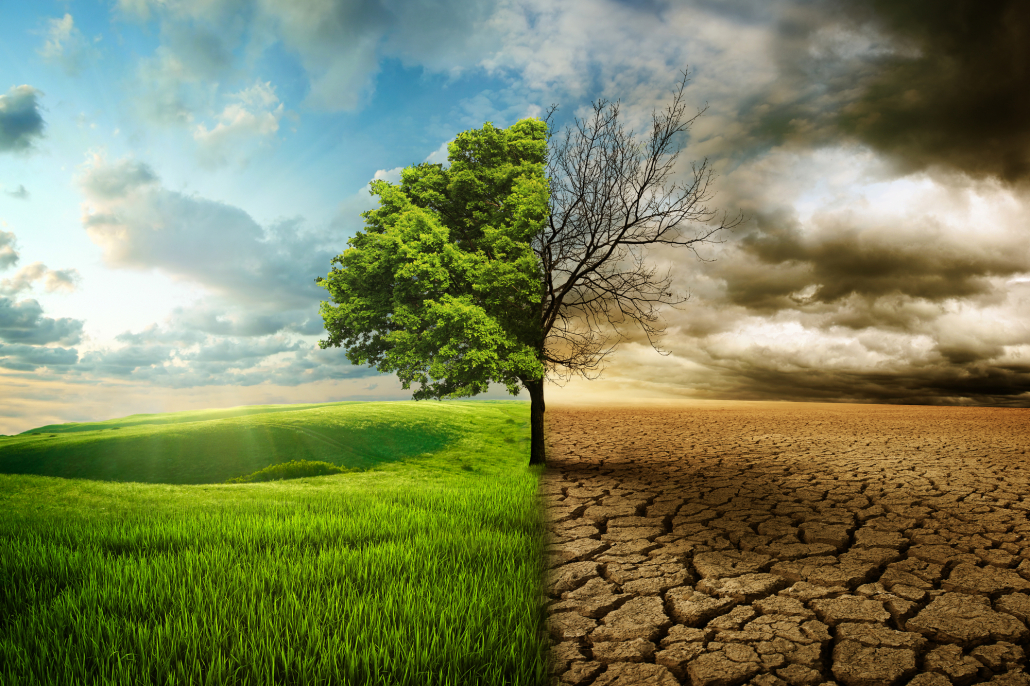
Climate change remains one of the most pressing challenges of our time, with its far-reaching consequences affecting ecosystems, economies, and societies. However, technology is emerging as a powerful ally in the fight against climate change. From innovative solutions that mitigate environmental impacts to advanced monitoring systems that track changes in real-time, technology is playing a pivotal role in shaping a sustainable future. This article delves into the critical role of technology in climate change mitigation and environmental monitoring.
Mitigating Climate Change Through Innovation
In recent years, technological advancements have led to a surge in solutions aimed at reducing carbon emissions, conserving resources, and transitioning to renewable energy sources:
- Renewable Energy Technologies: Solar, wind, and hydro power have become increasingly efficient and affordable, offering clean alternatives to fossil fuels and reducing greenhouse gas emissions.
- Energy Efficiency Solutions: Smart grids, energy-efficient appliances, and IoT-based monitoring systems enable better management and conservation of energy resources.
- Electric Vehicles (EVs): EVs are revolutionizing transportation by eliminating tailpipe emissions and reducing reliance on fossil fuels.
- Carbon Capture and Storage (CCS): CCS technologies capture carbon dioxide emissions from industrial processes and power plants, preventing them from entering the atmosphere.
- Sustainable Agriculture Practices: Precision agriculture, using IoT and satellite data, optimizes resource use, minimizes waste, and reduces the carbon footprint of farming.
Environmental Monitoring for Informed Action
Accurate monitoring of environmental changes is crucial for informed decision-making and effective climate change mitigation. Technology is revolutionizing environmental monitoring by providing real-time data, predictive analytics, and remote sensing capabilities:
- Satellite Technology: Satellites equipped with advanced sensors monitor changes in land use, deforestation, ice melt, sea levels, and atmospheric conditions on a global scale.
- IoT and Sensors: Internet of Things (IoT) devices and sensors collect data on air quality, water pollution, and biodiversity, enabling timely responses to environmental threats.
- Machine Learning and AI: Machine learning algorithms analyze vast datasets to identify patterns, model climate change impacts, and predict future scenarios.
- Remote Sensing: Remote sensing technologies like LiDAR and radar provide accurate data on changes in terrain, vegetation, and coastal erosion.
- Early Warning Systems: Tech-driven early warning systems alert communities to impending natural disasters like hurricanes, floods, and wildfires, helping save lives and reduce damages.
Challenges and Future Prospects
While technology offers promising solutions, challenges remain:
- Accessibility: Ensuring equitable access to technology and information is crucial to address environmental disparities.
- Data Privacy and Security: Protecting sensitive environmental data from breaches and misuse is essential.
- Scalability: Many innovative solutions need to be scaled up to have a substantial impact on a global scale.
- Technological Gaps: Bridging the technological divide among nations is essential to promote collaborative climate action.
Conclusion: A Tech-Powered Path Forward
As the world grapples with the urgent need for climate action, technology emerges as a beacon of hope. Its transformative potential in mitigating climate change and monitoring environmental shifts is undeniable. By harnessing innovation, leveraging data-driven insights, and fostering international cooperation, we can usher in a future where technology works hand-in-hand with nature, leading us toward a more sustainable and resilient planet. As we continue to innovate, invest, and collaborate, technology’s role in shaping a greener world becomes increasingly pivotal.