
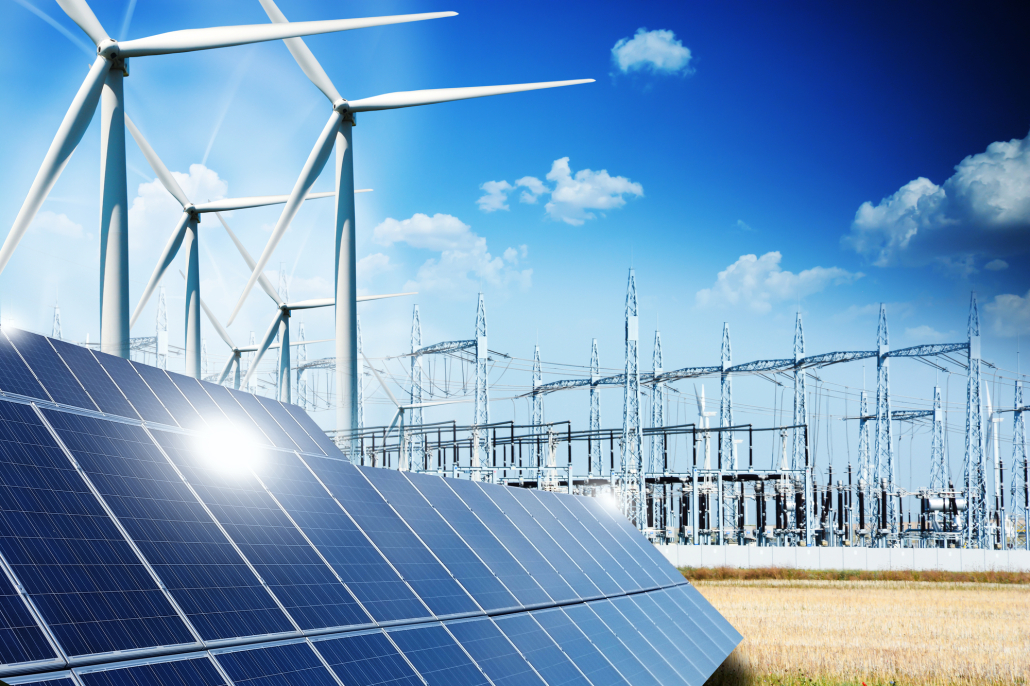
Renewable Energy Tech: Innovations in Solar, Wind, and Hydro Power
Introduction
As the global need for sustainable energy solutions intensifies, renewable energy technologies have emerged as crucial players in addressing climate change and advancing towards a cleaner future. Among these, solar, wind, and hydro power have taken center stage, propelled by remarkable innovations that enhance efficiency, scalability, and accessibility. This article delves into the cutting-edge advancements in these three renewable energy sources, shedding light on the transformative impact they are making on the world’s energy landscape.
Solar Power Innovations
Solar power has evolved from a niche technology to a mainstream energy source, driven by innovations in both photovoltaic (PV) systems and concentrated solar power (CSP) technologies.
- Perovskite Solar Cells: Perovskite solar cells are emerging as a game-changer in PV technology. These cells exhibit high efficiency, low cost, and easy manufacturability, offering the potential to revolutionize solar energy production.
- Bifacial Solar Panels: Bifacial panels capture sunlight from both sides, increasing energy generation by utilizing reflected sunlight from surrounding surfaces. This innovation enhances efficiency and reduces the land footprint of solar installations.
- Solar Tracking Systems: Solar tracking systems follow the sun’s movement, optimizing energy capture throughout the day. Single-axis and dual-axis trackers improve energy yield by keeping panels oriented towards the sun.
Wind Power Innovations
Wind power continues to grow as a major player in the renewable energy landscape, driven by advancements in turbine design and offshore wind installations.
- Turbine Size and Efficiency: Turbine designs are evolving towards larger sizes with higher energy outputs. Longer blades and improved aerodynamics contribute to increased efficiency and energy production.
- Floating Wind Farms: Floating wind farms harness the power of wind in deep offshore waters, expanding the potential for wind energy generation in regions where traditional fixed-bottom turbines are not feasible.
- Turbine Placement and Array Optimization: Advanced modeling and simulations optimize the placement and arrangement of wind turbines in wind farms, maximizing energy output and reducing wake effects.
Hydro Power Innovations
Hydro power, a well-established renewable energy source, is also experiencing innovation through improvements in small-scale hydropower and energy storage.
- Small-Scale Hydro Innovations: Innovative designs for small-scale hydropower systems, such as micro-hydro and run-of-the-river systems, make use of natural water flows to generate electricity without the need for large dams.
- Pumped Hydro Storage: Pumped hydro storage involves using excess energy to pump water uphill during times of low demand. When demand peaks, the water is released downhill through turbines to generate electricity.
- Tidal and Wave Energy: Technologies harnessing the power of tides and waves offer consistent and predictable energy sources. Tidal stream and wave energy converters are being developed to harness the kinetic energy of ocean currents and waves.
Conclusion
The renewable energy sector is undergoing a remarkable transformation fueled by innovations in solar, wind, and hydro power technologies. These innovations are not only increasing the efficiency and scalability of these energy sources but also reducing their environmental impact and making them more accessible to a broader range of regions and communities. As these technologies continue to advance, they play a pivotal role in transitioning our energy systems towards a more sustainable, clean, and resilient future.