
The Role of Tech in Mental Health: Apps, Wearables, and Digital Therapeutics

Introduction

The intersection of technology and mental health is transforming the way we understand, manage, and support our emotional well-being. With the prevalence of mental health challenges on the rise, innovative solutions have emerged to address these issues through the integration of technology. From mental health apps to wearable devices and digital therapeutics, technology is playing a pivotal role in providing accessible and personalized support for individuals seeking better mental well-being. This article explores how technology is shaping the field of mental health and revolutionizing the way we approach emotional wellness.

Mental Health Apps: Empowering Individuals

Mental health apps have gained significant traction in recent years, offering a range of tools and resources that empower individuals to manage their mental well-being.

  1. Mindfulness and Meditation Apps: Apps like Headspace and Calm provide guided meditation sessions, breathing exercises, and mindfulness practices that help users reduce stress, improve focus, and cultivate emotional resilience.
  2. Cognitive Behavioral Therapy (CBT) Apps: CBT apps, such as MoodKit and Woebot, deliver evidence-based therapeutic techniques to users’ smartphones. They guide users through structured activities to challenge negative thought patterns and develop healthy coping strategies.
  3. Journaling and Self-Reflection Apps: Apps like Day One and Jour offer digital platforms for journaling, self-reflection, and emotional tracking. Users can monitor their moods, identify patterns, and gain insights into their emotional well-being.

Wearable Devices: Real-Time Monitoring

Wearable devices equipped with biometric sensors are expanding into the realm of mental health, offering real-time data and insights that can contribute to a holistic understanding of emotional well-being.

  1. Heart Rate Variability (HRV) Monitoring: HRV, measured by wearables like Fitbit and Apple Watch, can offer insights into stress levels, emotional regulation, and overall mental well-being.
  2. Sleep Tracking: Wearables provide data on sleep patterns and quality, enabling users to understand the impact of sleep on mood and overall mental health.
  3. Physical Activity Monitoring: Regular physical activity has positive effects on mental health. Wearables track activity levels and encourage users to engage in exercise routines that promote emotional well-being.

Digital Therapeutics: Evidence-Based Interventions

Digital therapeutics (DTx) are software-based interventions that deliver evidence-based therapeutic techniques through digital platforms, often complementing or replacing traditional treatments.

  1. DTx for Depression and Anxiety: Platforms like SilverCloud and MoodGYM offer interactive cognitive behavioral therapy programs for individuals struggling with depression and anxiety. These programs provide structured interventions and personalized support.
  2. DTx for Substance Use Disorders: DTx platforms like Quit Genius and reSET are designed to assist individuals in overcoming substance use disorders. They combine therapeutic techniques, behavioral interventions, and support communities.
  3. DTx for Insomnia: Sleepio and SHUTi are digital therapeutics designed to address insomnia. They provide cognitive and behavioral techniques to improve sleep quality and promote better mental health.

Challenges and Considerations

While technology’s role in mental health is promising, it comes with challenges:

  1. Privacy and Data Security: Safeguarding sensitive mental health data is essential to maintain user trust and comply with data protection regulations.
  2. Algorithmic Bias: Ensuring that algorithms used in mental health apps and platforms are free from bias and provide inclusive and culturally sensitive support is crucial.
  3. Human Connection: Technology should complement, not replace, human connection. Combining digital interventions with professional support is essential for comprehensive mental health care.

Conclusion

Technology is revolutionizing the mental health landscape, making support and resources more accessible, personalized, and effective. From apps offering mindfulness exercises to wearable devices providing real-time insights, and digital therapeutics delivering evidence-based interventions, technology is offering innovative ways to manage emotional well-being. As technology continues to evolve, its integration with mental health care promises a brighter future where individuals can proactively engage in their mental well-being journey and receive the support they need to lead healthier, happier lives.


That phishing site? Gone in 600 seconds

Did you know that a staggering 60% of phishing websites are only online for a fleeting 10 minutes?

Yes, you read that right. Just ten minutes.

This surprising fact underlines just how rapidly cyber threats are evolving and how vital it is for us to stay ahead of the game.

Phishing sites are fake sites that try to trick you into entering your login details. Or to get you to download malware.

The idea is that cyber criminals drive huge amounts of traffic to them… scam people… then take down the site before it can be detected.

Wouldn’t it be great if we could spot these threats before they vanish into thin air and pop-up elsewhere? Well, Google Chrome has a trick up its sleeve to help us do just that.

Imagine this: You’re running your business, constantly on the move, making split-second decisions. You absent-mindedly visit a website which looks a little… odd. But you don’t panic. You’re using Google Chrome and it scans websites you visit against its list of malicious URLs. 

But uh oh. Google’s list of bad websites is only updated every 30 to 60 minutes. That 60% of phishing domains that are active for just 10 minutes may slip through the net.

Enter Google Chrome’s new security tool, Enhanced Safe Browsing.

As part of a recent update, Chrome has switched it on for everyone. It will now check URLs against a list of domains in real time. Think of it as a cyber bodyguard who can spot and neutralize threats at lightning speed.

Google has confirmed that Enhanced Safe Browsing will continue to offer features like deep scans for files and protection from malicious extensions.

So, does this mean Google will know every URL you visit?

Well, yes. But whilst this new feature does share all visited URLs with Google, the information won’t be used to power other features, including advertising. It’s a trade-off between security and privacy. Given the increasing sophistication of cyber threats, isn’t it worth having an extra layer of protection?

We say embrace these new tools and stay one step ahead of the cyber criminals. After all, the safety of all our businesses depends on it.

If you need additional support protecting your business from phishing scams – or anything else – get in touch.

Exploring the Frontiers of Space Tech: Satellite Mega-Constellations and Beyond

Introduction: The once-uncharted frontiers of space are now abuzz with a new era of technological advancements, as satellite mega-constellations revolutionize communication and pave the way for broader space exploration. These constellations are igniting a paradigm shift in how we interact with space, connecting the globe and pushing the boundaries of what’s possible beyond our planet.

Satellite Mega-Constellations: A Modern Marvel: The deployment of satellite mega-constellations is changing the landscape of space technology. Companies such as SpaceX, OneWeb, and Amazon are spearheading projects to launch thousands of small satellites into low Earth orbit, forming interconnected networks that provide high-speed internet coverage to even the most remote areas on Earth. These constellations aim to bridge the digital divide and reshape global communication.

StarLink Alpha: Bridging the Digital Divide: One of the most prominent players in this new space revolution is SpaceX’s StarLink Alpha. Designed to deliver global internet coverage, StarLink Alpha aims to provide unprecedented connectivity to regions where reliable internet was once a distant dream. With its advanced technology and adaptive communication algorithms, the constellation promises to bring education, healthcare, and economic opportunities to underserved communities around the world.

Beyond Communication: The Expanding Potential: While satellite mega-constellations are transforming communication, their impact reaches far beyond. Researchers and visionaries are exploring new avenues for utilizing these networks, including Earth observation, weather monitoring, disaster response, and even interplanetary communication. The interconnected nature of these constellations opens doors to innovative applications that were once unimaginable.

Challenges and Concerns: Managing Space Traffic: As the number of satellites in orbit increases, so do concerns about space traffic management and the potential for collisions. The unprecedented density of satellites poses challenges for maintaining a safe and sustainable orbital environment. Industry leaders and regulatory bodies are actively addressing these concerns, developing collision avoidance systems and guidelines to ensure the long-term viability of space activities.

Space Tourism and Beyond: Beyond satellite mega-constellations, the space tech frontier continues to expand into uncharted territory. Space tourism is inching closer to reality, with companies developing luxury hotels in orbit and offering civilians the chance to experience the awe-inspiring view of Earth from space. Additionally, advancements in propulsion technology and deep space exploration are captivating the imaginations of scientists, entrepreneurs, and the general public alike.

Conclusion: A New Era of Exploration: As satellite mega-constellations light up the night sky and open up unprecedented possibilities for global communication, they mark the beginning of a new era of exploration and technological advancement. With the potential to reshape how we interact with both space and our planet, these constellations exemplify the boundless potential of human innovation. As we continue to explore the frontiers of space tech, we find ourselves on the brink of a transformative era that will redefine the way we live, communicate, and explore beyond our home planet.

Data Privacy Laws and their Global Impact on Tech Companies

Introduction

In an era where digital information flows at an unprecedented pace, data privacy has emerged as a paramount concern for individuals and organizations alike. As technology continues to advance, governments around the world are enacting stringent data privacy laws to safeguard personal information and empower users with control over their data. The global impact of these data privacy regulations on tech companies is profound, as they must navigate a complex landscape of compliance, transparency, and user trust. This article delves into the significance of data privacy laws and their far-reaching effects on the tech industry.

The Evolution of Data Privacy Laws

The need for data privacy laws became evident with the surge in data breaches, identity theft, and unauthorized data usage. Countries and regions began enacting comprehensive data protection regulations to address these concerns. The European Union’s General Data Protection Regulation (GDPR), enacted in 2018, was a landmark moment that set a high standard for data privacy and protection. Similarly, other countries, such as Brazil (LGPD) and California (CCPA), introduced their own regulations to grant individuals greater control over their personal data.

Impact on Tech Companies

  1. Global Compliance Burden: Tech companies operating across borders must comply with a myriad of data privacy regulations, each with its own set of rules, requirements, and penalties. This creates a significant compliance burden, especially for companies with a global user base.
  2. Data Handling and Consent: Data privacy laws mandate that companies collect, store, and process data only with explicit user consent. This requires companies to design their data handling processes with transparency, clarity, and user control in mind.
  3. Accountability and Transparency: Regulations like GDPR emphasize transparency and accountability, necessitating companies to provide clear privacy policies, breach notification protocols, and mechanisms for users to access and control their data.
  4. User-Centric Approach: Data privacy laws shift the power dynamic towards users, giving them more control over their personal information. Companies must adopt a user-centric approach, respecting users’ choices and preferences regarding data collection and usage.
  5. Potential Fines and Penalties: Non-compliance with data privacy laws can result in substantial fines and penalties. This incentivizes companies to invest in robust data protection measures and ensure compliance.
  6. Data Localization: Some regulations require data to be stored locally, impacting companies’ data infrastructure and storage strategies. This can be particularly challenging for cloud-based services.

Global Harmonization and Challenges

The varied nature of data privacy regulations across different jurisdictions creates challenges for tech companies aiming to operate globally. However, it also raises the possibility of global harmonization, where countries align their data protection laws to create a more consistent regulatory landscape. This could simplify compliance for multinational corporations and enhance user trust on a global scale.

The Road Ahead

As technology evolves, so do the complexities of data privacy. Tech companies must adapt to changing regulations, adopt privacy by design principles, and foster a culture of data protection. Beyond mere compliance, embracing data privacy can become a competitive advantage, building user trust and loyalty in an age of growing privacy concerns.

Conclusion

Data privacy laws have ushered in a new era of accountability, transparency, and user empowerment. While they pose challenges for tech companies, they also offer an opportunity to reshape the digital landscape into one where personal data is respected and protected. As companies navigate this evolving landscape, a commitment to ethical data practices and user-centricity will not only ensure compliance but also help foster a more responsible, secure, and sustainable tech ecosystem.

Artificial Intelligence in Healthcare: Transforming Diagnostics and Treatment

Artificial intelligence (AI) is rapidly transforming healthcare, with the potential to revolutionize diagnostics and treatment. AI-powered technologies are already being used to diagnose diseases more accurately, personalize treatment plans, and monitor patient health in real time.

Here are some of the ways that AI is transforming healthcare:

  • Medical imaging: AI algorithms can be used to analyze medical images, such as X-rays, MRIs, and CT scans, to detect diseases more accurately than human radiologists. For example, AI algorithms have been shown to be able to detect cancer with the same accuracy as human radiologists, but with much faster turnaround times.
  • Drug discovery: AI can be used to screen large datasets of chemicals and molecules to identify potential drug candidates. AI-powered drug discovery platforms have been shown to be more effective at identifying potential drug candidates than traditional methods.
  • Personalized medicine: AI can be used to analyze a patient’s genetic data, medical history, and lifestyle factors to create personalized treatment plans. This can lead to more effective and targeted treatments.
  • Remote patient monitoring: AI-powered wearable devices can be used to monitor patients’ health in real time. This can help to identify and treat health problems early, before they become serious.
  • Clinical decision support: AI-powered clinical decision support systems can help doctors make better decisions about patient care. These systems can analyze patient data and provide doctors with recommendations for diagnosis and treatment.

These are just a few of the ways that AI is transforming healthcare. As AI technology continues to develop, we can expect to see even more amazing and transformative applications emerge.

The benefits of AI in healthcare

The use of AI in healthcare has a number of benefits, including:

  • Improved accuracy: AI algorithms can be used to analyze large amounts of data more quickly and accurately than human experts. This can lead to improved diagnoses and treatment plans.
  • Personalized treatment: AI can be used to analyze a patient’s individual medical history and genetic data to create personalized treatment plans. This can lead to more effective and targeted treatments.
  • Increased efficiency: AI can be used to automate tasks that are currently done by humans, such as data entry and medical coding. This can free up time for healthcare professionals to focus on patient care.
  • Reduced costs: AI can help to reduce the cost of healthcare by automating tasks and improving efficiency.

The challenges of AI in healthcare

While the use of AI in healthcare has a number of benefits, there are also some challenges that need to be addressed, including:

  • Accuracy: AI algorithms are still under development, and they can sometimes make mistakes. It is important to carefully validate AI algorithms before they are used in clinical settings.
  • Transparency: It is important to be transparent about how AI algorithms work and how they are used. Patients need to be able to trust that AI algorithms are accurate and reliable.
  • Ethics: There are a number of ethical concerns about the use of AI in healthcare, such as the potential for discrimination and bias. It is important to address these concerns before AI is widely adopted in clinical settings.

The future of AI in healthcare

The future of AI in healthcare is bright. AI has the potential to revolutionize diagnostics and treatment, and to improve the quality and accessibility of healthcare. As AI technology continues to develop, we can expect to see even more amazing and transformative applications emerge.

Robotics in Industry: How Automation is Reshaping Manufacturing Processes

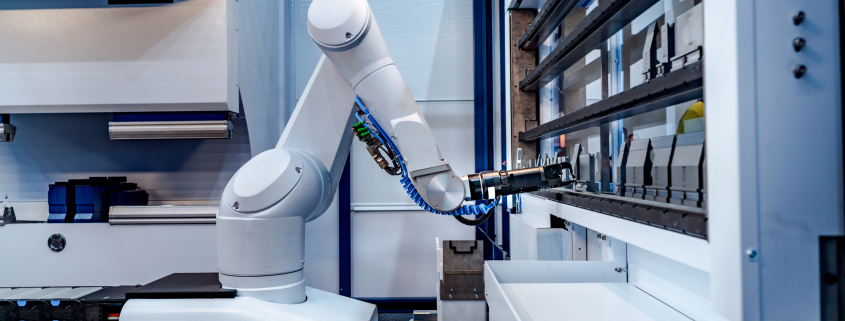
Robotics is rapidly transforming the manufacturing industry. Robots are being used to automate a wide range of tasks, from welding and assembly to painting and packaging. This automation is leading to a number of benefits for manufacturers, including:

  • Increased productivity: Robots can work faster and more consistently than humans, which can lead to significant increases in productivity.
  • Improved quality: Robots can be programmed to perform tasks with a high degree of accuracy, which can lead to improved product quality.
  • Reduced costs: Robots can help to reduce labor costs, as they do not require overtime or benefits.
  • Improved safety: Robots can be used to perform dangerous or hazardous tasks, which can help to improve workplace safety.

As a result of these benefits, robotics is becoming increasingly popular in manufacturing. In fact, the global market for industrial robots is expected to grow from $47.5 billion in 2020 to $61.2 billion by 2025.

Here are some of the specific ways in which robotics is reshaping manufacturing processes:

  • Welding: Robots are increasingly being used for welding tasks. This is because robots can weld with a high degree of precision and consistency, which is essential for producing high-quality products. Robots can also weld in difficult-to-reach areas, which can improve productivity.
  • Assembly: Robots are also being used for assembly tasks. This is because robots can assemble products quickly and accurately. Robots can also be programmed to assemble products in a variety of configurations, which can help manufacturers to meet the needs of different customers.
  • Painting: Robots are also being used for painting tasks. This is because robots can paint products evenly and consistently, which can improve product quality. Robots can also paint in difficult-to-reach areas, which can improve productivity.
  • Packaging: Robots are also being used for packaging tasks. This is because robots can pack products quickly and efficiently. Robots can also be programmed to pack products in a variety of configurations, which can help manufacturers to meet the needs of different customers.

In addition to these specific applications, robotics is also being used to automate a wide range of other tasks in manufacturing, such as material handling, quality control, and logistics. As robotics technology continues to develop, we can expect to see even more automation in manufacturing in the years to come.

The rise of robotics in manufacturing is having a significant impact on the industry. Robots are helping manufacturers to improve productivity, quality, and safety. As a result, robots are becoming an essential part of the manufacturing process.

The Promise and Perils of Biometric Authentication in Tech

Biometric authentication is a rapidly growing field in technology. Biometric authentication uses unique biological characteristics, such as fingerprints, facial features, and voice patterns, to verify a user’s identity. This type of authentication is becoming increasingly popular as it is more secure than traditional methods, such as passwords and PINs.

There are many promises of biometric authentication in tech. For example, it can:

  • Improve security: Biometric authentication is more secure than traditional methods, such as passwords and PINs, as it is difficult to spoof. This is because biometric data is unique to each individual.
  • Make it easier to use devices: Biometric authentication can make it easier to use devices, as users do not have to remember passwords or PINs. This can be especially beneficial for people with disabilities or who have difficulty remembering passwords.
  • Personalize experiences: Biometric authentication can be used to personalize experiences, such as by providing users with tailored recommendations or content. This can make devices more engaging and useful for users.

However, there are also some perils of biometric authentication in tech. For example, it can:

  • Pose a privacy risk: Biometric data is sensitive and can be used to track users’ activities. This raises concerns about privacy and surveillance.
  • Be discriminatory: Biometric authentication systems may not work well for everyone, such as people with certain disabilities or who have had their fingerprints or facial features damaged. This can lead to discrimination.
  • Be hacked: Biometric authentication systems can be hacked, which could allow unauthorized access to devices or accounts.

It is important to weigh the promises and perils of biometric authentication before using it. If you are considering using biometric authentication, it is important to choose a system that is secure and that protects your privacy. You should also be aware of the potential risks and take steps to mitigate them.

Here are some tips for using biometric authentication safely and securely:

  • Choose a system that is secure and that protects your privacy.
  • Be aware of the potential risks of biometric authentication.
  • Take steps to mitigate the risks, such as using a strong password in addition to biometric authentication.
  • Only use biometric authentication for devices and accounts that are important to you.
  • Be careful about what information you share with biometric authentication systems.
  • Keep your biometric data up to date.

By following these tips, you can use biometric authentication safely and securely.

The Impact of Remote Work on Technology Infrastructure and Collaboration Tools

The COVID-19 pandemic has accelerated the shift to remote work, and this has had a significant impact on technology infrastructure and collaboration tools.

In the past, businesses relied on on-premises servers and hardware to support their employees. However, remote work has made this model untenable, as employees need to be able to access their data and applications from anywhere. As a result, businesses have had to invest in cloud-based solutions and remote access technologies.

Cloud-based solutions offer a number of advantages for remote workers, including:

  • Scalability: Cloud-based solutions can be scaled up or down as needed, which is important for businesses with fluctuating workforces.
  • Security: Cloud-based solutions are often more secure than on-premises solutions, as they are hosted by a third-party provider with expertise in security.
  • Cost-effectiveness: Cloud-based solutions can be more cost-effective than on-premises solutions, as businesses do not have to invest in hardware and software.

Remote access technologies allow employees to securely access their work computers and applications from anywhere. This is essential for remote workers, as it allows them to stay connected and productive.

Some of the most popular remote access technologies include:

  • Virtual private networks (VPNs): VPNs create a secure tunnel between an employee’s device and the company’s network. This allows employees to access their work resources securely from anywhere.
  • Remote desktop software: Remote desktop software allows employees to control their work computer from another device. This is useful for tasks that require a lot of processing power, such as video editing or graphic design.
  • Web-based applications: Many businesses are moving their applications to the cloud, which makes them accessible to remote workers. This is a convenient and cost-effective way for businesses to provide their employees with access to the applications they need.

In addition to cloud-based solutions and remote access technologies, businesses also need to invest in collaboration tools to help their employees stay connected and productive. Some of the most popular collaboration tools include:

  • Video conferencing: Video conferencing allows employees to have face-to-face meetings with colleagues, even if they are not in the same location. This is essential for remote teams, as it helps to build relationships and collaboration.
  • Instant messaging: Instant messaging allows employees to quickly and easily communicate with each other. This is a great way to ask questions, share information, or collaborate on projects.
  • Project management tools: Project management tools help teams to track progress, manage tasks, and communicate with each other. This is essential for remote teams, as it helps to ensure that projects are completed on time and within budget.

The shift to remote work has had a major impact on technology infrastructure and collaboration tools. Businesses that want to be successful in the future need to invest in the right technologies to support their remote workforce.

In addition to the technologies mentioned above, there are a number of other factors that businesses need to consider when supporting remote workers. These include:

  • Employee training: Employees need to be trained on the new technologies and collaboration tools that they will be using.
  • Security: Businesses need to ensure that their data and systems are secure when employees are working remotely.
  • Communication: Businesses need to have clear communication channels with their remote employees.
  • Culture: Businesses need to create a culture of trust and collaboration for their remote employees.

By addressing these factors, businesses can ensure that their remote workforce is productive and successful.

The Future of Work: Human-AI Collaboration in the Workplace

Introduction

The dynamics of the modern workplace are undergoing a significant transformation as technology advances at an unprecedented rate. Amid the rise of artificial intelligence (AI), a new era of work is emerging—one marked by collaboration between humans and AI systems. This synergistic partnership is revolutionizing industries, enabling enhanced productivity, creativity, and efficiency. In this article, we delve into the future of work, exploring how human-AI collaboration is reshaping the workplace landscape.

The Evolution of Work

From manual labor to the rise of automation, the history of work has been characterized by shifts in labor and technology. With the advent of AI, we are on the cusp of another transformation—one where AI technologies are augmenting human capabilities, leading to a new paradigm of collaboration.

AI’s Role as a Collaborator, Not a Replacement

Contrary to concerns of AI taking over jobs, the future of work revolves around the partnership between humans and AI. AI is well-suited to handling routine, data-driven tasks, while humans excel in creativity, complex decision-making, and emotional intelligence. By leveraging each other’s strengths, humans and AI can create a powerful synergy that leads to improved outcomes across various industries.

Enhancing Efficiency and Productivity

AI can handle repetitive and time-consuming tasks, liberating human workers to focus on higher-level responsibilities. Businesses are adopting AI-powered tools for data analysis, customer service, and administrative tasks, allowing employees to allocate their time more strategically and creatively.

Augmented Creativity and Innovation

AI’s ability to process vast amounts of data quickly can provide valuable insights that enhance human creativity and innovation. By identifying trends, patterns, and customer preferences, AI can inform decision-making and guide creative processes, leading to more impactful products and services.

Personalized Customer Experiences

In industries like retail and marketing, AI can analyze customer data to personalize experiences and recommendations. This not only improves customer satisfaction but also enables businesses to offer tailored solutions that meet individual needs.

Reskilling and Upskilling the Workforce

The transition to a human-AI collaborative workplace requires a workforce with new skill sets. Reskilling and upskilling initiatives are crucial to equip employees with the expertise needed to work alongside AI systems effectively. Continuous learning and adaptability will become essential qualities in the modern workplace.

Ethical Considerations and Challenges

While the potential of human-AI collaboration is immense, several challenges must be addressed:

  1. Bias and Fairness: AI systems can inherit biases from training data, potentially leading to discriminatory outcomes. Ensuring fairness and inclusivity in AI systems is a critical concern.
  2. Data Privacy: The integration of AI requires handling vast amounts of data. Maintaining data privacy and security is paramount to prevent breaches and misuse.
  3. Job Displacement Concerns: As roles evolve due to AI integration, some employees may face concerns about job displacement. Ensuring a supportive transition is vital.

Conclusion: Embracing the Synergy

The future of work is not a zero-sum game between humans and AI; it’s a journey of collaboration and growth. As AI technology continues to evolve, embracing its potential for enhancing human capabilities is key to driving innovation and progress. Companies that navigate the challenges, prioritize ethics, and invest in reskilling their workforce will be well-positioned to reap the benefits of human-AI collaboration in the workplace. By fostering this partnership, we are on the brink of a transformative era that combines human ingenuity with AI’s analytical prowess, leading to a future where productivity, creativity, and efficiency thrive in harmony.

The end of an era: Goodbye WordPad

Can you believe it? After 30 years of faithful service, Microsoft is finally pulling the plug on WordPad. The app that debuted with Windows 95, and lets you open a .doc file if you don’t have Word installed, is being shown the door.

But why now and what does it mean for your business?

Microsoft recently announced plans to stop updating WordPad and eventually remove it from Windows altogether. It was a quiet reveal, and it’s unclear when this will happen, but it’s in the works.

Let’s be honest though… how many times have you accidentally opened a document in WordPad when you were aiming for Notepad?

Notepad is what you use for plain text. WordPad is more like a word processor. Everyone gets them confused.

Could this common mix-up be the reason behind WordPad’s impending demise? Or perhaps Microsoft is trying to nudge more people towards paying for Microsoft Word, a key part of its Microsoft 365 suite.

In an excerpt from Microsoft’s recently updated Windows deprecated features list, they recommend using Microsoft Word for rich text documents and Windows Notepad for plain text documents. So, in other words, “WordPad who?”

But let’s not get too sentimental here. As a lifelong Windows user, I can confess that I’ve mostly opened WordPad only by mistake. And if it does vanish, I won’t be losing sleep. There are plenty of other word processors out there, and I’m quite fond of Word.

However, if you’re a diehard WordPad fan, don’t despair just yet. Microsoft is asking for feedback via the Windows Feedback Hub app. So, if there’s an outpouring of support, who knows? Maybe Microsoft will reconsider and allow WordPad to stick around, even if it’s just as an optional, rarely-updated app from the Microsoft Store.

If we can help you discover the best apps for your business, get in touch.