
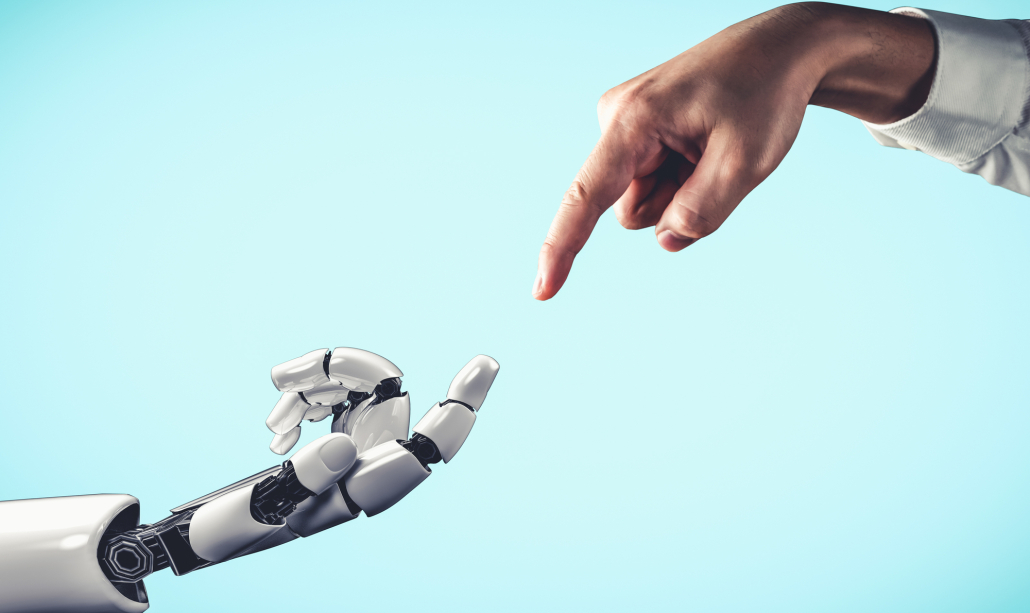
The Future of Work: Human-AI Collaboration in the Workplace
Introduction
The dynamics of the modern workplace are undergoing a significant transformation as technology advances at an unprecedented rate. Amid the rise of artificial intelligence (AI), a new era of work is emerging—one marked by collaboration between humans and AI systems. This synergistic partnership is revolutionizing industries, enabling enhanced productivity, creativity, and efficiency. In this article, we delve into the future of work, exploring how human-AI collaboration is reshaping the workplace landscape.
The Evolution of Work
From manual labor to the rise of automation, the history of work has been characterized by shifts in labor and technology. With the advent of AI, we are on the cusp of another transformation—one where AI technologies are augmenting human capabilities, leading to a new paradigm of collaboration.
AI’s Role as a Collaborator, Not a Replacement
Contrary to concerns of AI taking over jobs, the future of work revolves around the partnership between humans and AI. AI is well-suited to handling routine, data-driven tasks, while humans excel in creativity, complex decision-making, and emotional intelligence. By leveraging each other’s strengths, humans and AI can create a powerful synergy that leads to improved outcomes across various industries.
Enhancing Efficiency and Productivity
AI can handle repetitive and time-consuming tasks, liberating human workers to focus on higher-level responsibilities. Businesses are adopting AI-powered tools for data analysis, customer service, and administrative tasks, allowing employees to allocate their time more strategically and creatively.
Augmented Creativity and Innovation
AI’s ability to process vast amounts of data quickly can provide valuable insights that enhance human creativity and innovation. By identifying trends, patterns, and customer preferences, AI can inform decision-making and guide creative processes, leading to more impactful products and services.
Personalized Customer Experiences
In industries like retail and marketing, AI can analyze customer data to personalize experiences and recommendations. This not only improves customer satisfaction but also enables businesses to offer tailored solutions that meet individual needs.
Reskilling and Upskilling the Workforce
The transition to a human-AI collaborative workplace requires a workforce with new skill sets. Reskilling and upskilling initiatives are crucial to equip employees with the expertise needed to work alongside AI systems effectively. Continuous learning and adaptability will become essential qualities in the modern workplace.
Ethical Considerations and Challenges
While the potential of human-AI collaboration is immense, several challenges must be addressed:
- Bias and Fairness: AI systems can inherit biases from training data, potentially leading to discriminatory outcomes. Ensuring fairness and inclusivity in AI systems is a critical concern.
- Data Privacy: The integration of AI requires handling vast amounts of data. Maintaining data privacy and security is paramount to prevent breaches and misuse.
- Job Displacement Concerns: As roles evolve due to AI integration, some employees may face concerns about job displacement. Ensuring a supportive transition is vital.
Conclusion: Embracing the Synergy
The future of work is not a zero-sum game between humans and AI; it’s a journey of collaboration and growth. As AI technology continues to evolve, embracing its potential for enhancing human capabilities is key to driving innovation and progress. Companies that navigate the challenges, prioritize ethics, and invest in reskilling their workforce will be well-positioned to reap the benefits of human-AI collaboration in the workplace. By fostering this partnership, we are on the brink of a transformative era that combines human ingenuity with AI’s analytical prowess, leading to a future where productivity, creativity, and efficiency thrive in harmony.