
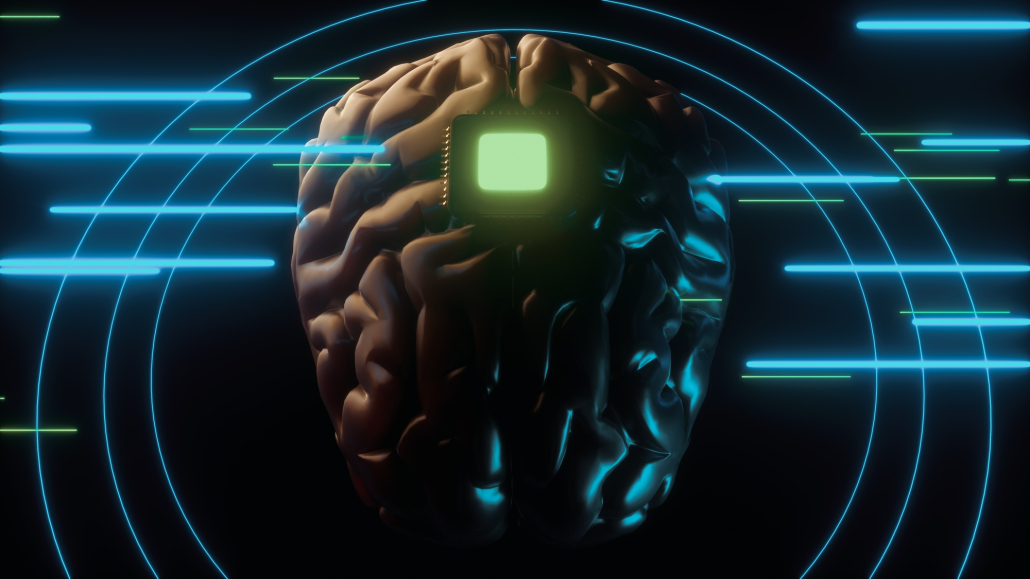
Neurotechnology Advancements: Merging Brain-Computer Interfaces with AI
Introduction
The frontiers of technology are pushing beyond the boundaries of the tangible, delving into the realm of the mind itself. Neurotechnology, a fascinating intersection of neuroscience and engineering, is making strides that once seemed confined to science fiction. One of the most groundbreaking developments in this field is the merging of brain-computer interfaces (BCIs) with artificial intelligence (AI). This article explores the incredible potential of this synergy and its implications for healthcare, communication, and the very nature of human-machine interaction.
The Rise of Brain-Computer Interfaces
BCIs, also known as brain-machine interfaces, are technologies that bridge the gap between the human brain and external devices. They allow direct communication between the brain and computers, enabling individuals to control machines, prosthetics, and even digital interfaces using their thoughts alone. BCIs hold immense promise for those with mobility impairments, enabling them to regain lost functionality and independence.
The Power of Artificial Intelligence
AI, on the other hand, has transformed various industries through its ability to analyze massive amounts of data, learn patterns, and make intelligent decisions. It has conquered tasks from language translation to medical diagnosis, pushing the boundaries of human capabilities.
The Synergy: BCIs and AI
The convergence of BCIs and AI amplifies the capabilities of both technologies, leading to revolutionary advancements:
- Enhanced Communication: For individuals with severe speech impairments or locked-in syndrome, BCIs connected to AI can translate brain signals into text or speech, providing a means of communication.
- Cognitive Augmentation: BCIs can link with AI to augment cognitive functions, enhancing memory, attention, and decision-making capabilities.
- Medical Diagnostics: AI-powered BCIs can help diagnose neurological disorders by analyzing brain activity patterns, potentially leading to early intervention and treatment.
- Neurorehabilitation: AI-guided BCIs enable targeted neurorehabilitation, helping patients recover motor functions after injuries or strokes.
- Mind-Controlled Devices: BCIs connected to AI can facilitate mind-controlled devices, from wheelchairs to robotic limbs, offering increased mobility and independence.
Ethical and Privacy Considerations
While the possibilities are thrilling, ethical concerns arise:
- Privacy: Direct access to brain data raises privacy concerns, requiring stringent safeguards against unauthorized access.
- Informed Consent: Ethical use of BCIs demands informed consent and clear communication about data usage.
- Cognitive Privacy: BCIs could potentially reveal thoughts and emotions, sparking debates about cognitive privacy and personal boundaries.
- Equity: Ensuring equitable access to neurotechnologies and preventing them from exacerbating existing societal inequalities is paramount.
The Journey Ahead
As BCIs become more sophisticated and AI continues to advance, the potential applications are vast:
- Education: AI-enhanced BCIs could revolutionize learning, offering personalized instruction based on cognitive patterns.
- Gaming and Entertainment: Gamers could immerse themselves in virtual worlds through thought control, creating truly immersive experiences.
- Mental Health: BCIs linked with AI could assist in monitoring and managing mental health conditions, providing real-time interventions.
- Conscious Machines: The merging of human minds with AI might spark discussions about machine consciousness and ethical considerations.
Conclusion: A Mindful Future
The fusion of BCIs and AI transcends mere technological advancement; it raises profound questions about human identity, ethics, and the limits of cognition. This union has the potential to redefine how we communicate, heal, and explore our own minds. While challenges loom, from ethical dilemmas to privacy concerns, the journey of merging brain-computer interfaces with AI represents a remarkable leap into a future where the boundaries between human and machine become ever more intertwined. As we embark on this transformative journey, a mindful approach is essential, ensuring that this extraordinary synergy is guided by ethical principles and human well-being.